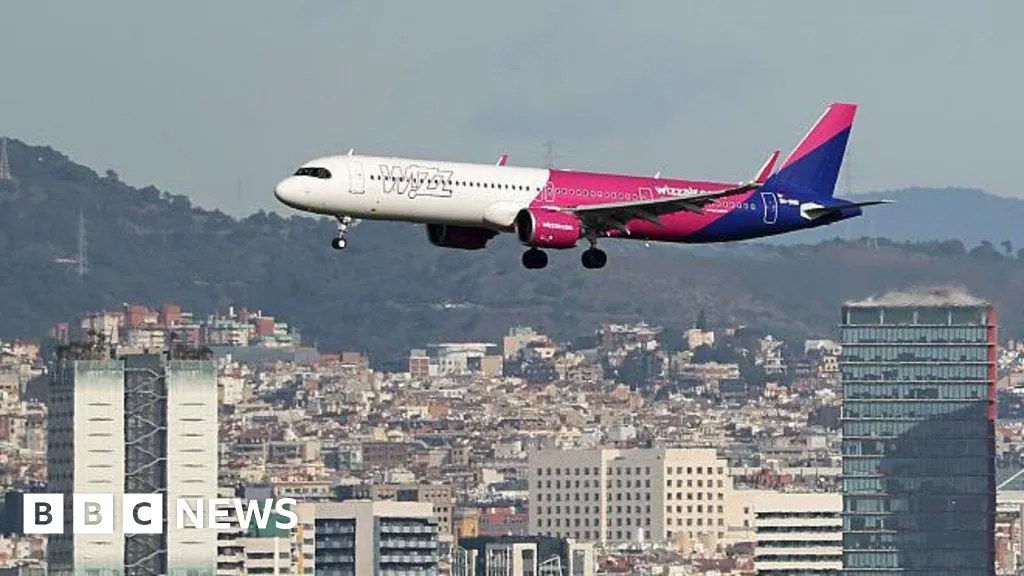
Wizz Air’s CEO, József Váradi, confidently dismissed accusations of impending bankruptcy made by Ryanair’s chief, Michael O’Leary. Amid rising fuel prices, Váradi emphasized the airline’s solid fuel hedging strategy and operational resilience.
The backdrop to this exchange lies in the ongoing conflict in Iran, which has severely disrupted oil shipments through the Strait of Hormuz. This situation has contributed to a volatile oil market, leading to concerns about rising jet fuel costs across the airline industry.
Váradi pointed out that Wizz Air has hedged an impressive 70% of its fuel needs for the summer season. In fact, the airline pays around $700 per metric ton of jet fuel, a stark contrast to the market price of approximately $1,700 at the time of their discussions. This strategic move positions Wizz Air favorably as it navigates these turbulent market conditions.
O’Leary had warned that if oil prices remain elevated, two or three European airlines could face bankruptcy—specifically naming Wizz Air as a potential casualty. In response, Váradi countered that such statements are “flatly untrue and false.” He expressed confidence that Wizz Air would not run out of jet fuel and noted that alternatives would emerge in the market as traders adapt.
Key insights from Wizz Air’s strategy:
- The airline is set to expand its summer schedule by 17% compared to last year.
- Wizz Air’s CCO reported hedging levels of 86%, 71%, and 61% for Q1, Q2, and Q3 of 2026 respectively.
- The company maintains a liquidity ratio higher than Ryanair’s, boasting €2 billion in cash reserves.
This financial backing and strategic foresight allow Wizz Air to weather challenges that may arise from fluctuating oil prices. However, uncertainties linger regarding future fuel costs and their impact on airlines across Europe. As Váradi aptly stated, “Jet fuel traders will find alternative solutions; I don’t see disaster coming.”