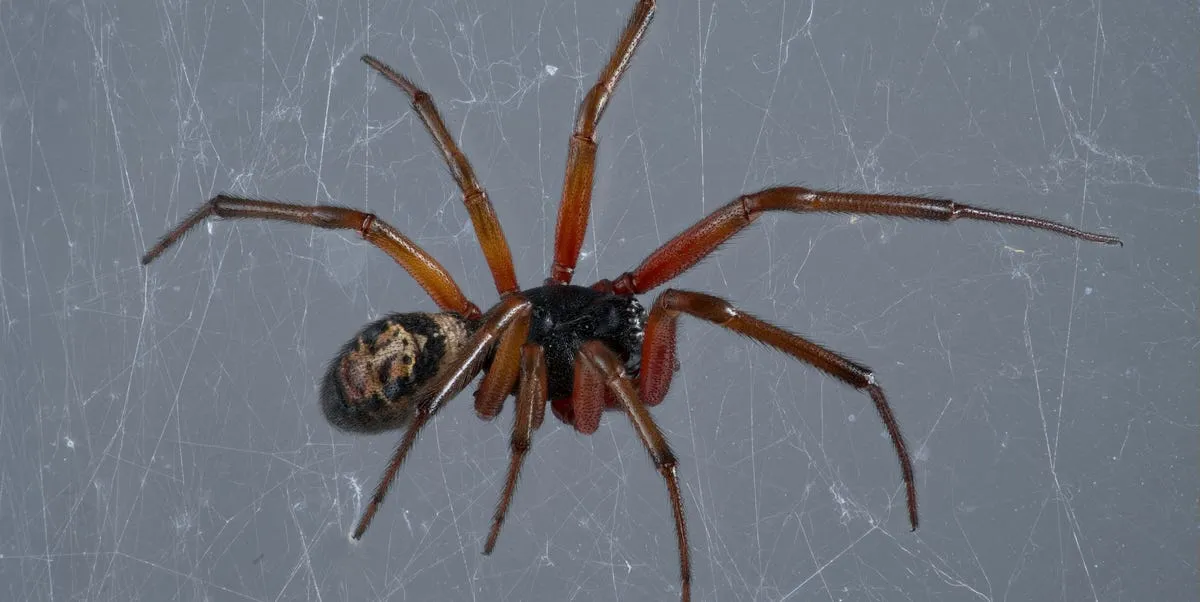
In a worrying trend, the false widow spider, known for its venomous bite, is becoming a significant health concern in the UK. Recent data indicates that there were over 100 hospital admissions in 2025 linked to spider bites, a stark increase from just 47 in 2015. This alarming rise has prompted experts to reassess the risks associated with these arachnids.
False widow spiders, particularly the noble false widow, were first spotted in the UK in 1879, likely arriving via fruit shipments from Madeira. Since then, their population has exploded, especially since the early 2000s, making them the second most common spider in urban habitats in both Ireland and the UK. This surge is attributed to factors such as globalisation and possibly climate change, although the exact reasons remain unconfirmed.
Experts like Dr. Michel Dugon emphasize that these spiders prefer to live in and around human dwellings rather than in natural habitats. “We know that those species indeed can actually bite,” he noted, highlighting the potential dangers they pose. Bites from false widow spiders can lead to severe symptoms, including pain, tremors, and dizziness, and in some cases, can result in serious secondary infections due to harmful bacteria carried on their fangs.
Clive Hambler, a biologist, remarked, “The days when you could just treat spiders as benign in Britain are over.” This sentiment is echoed by individuals like Chris Keegan, who experienced a severe bite and reflected on the potential consequences of ignoring such threats: “Something so tiny and trivial if ignored could have led to my thumb or hand being removed, or sepsis could have set in.”
As the population of false widow spiders continues to grow, public awareness and education about their presence and potential risks are becoming increasingly important. Removing all spiders from homes can inadvertently allow false widows to settle in due to a lack of competition, while reducing outdoor lighting may help minimize the number of insects attracted to homes, making them less appealing to these spiders.
In light of these developments, it is crucial for the public to remain vigilant and informed about the presence of false widow spiders in their surroundings. The increase in hospital admissions linked to spider bites serves as a stark reminder of the need for caution and awareness in dealing with these creatures.