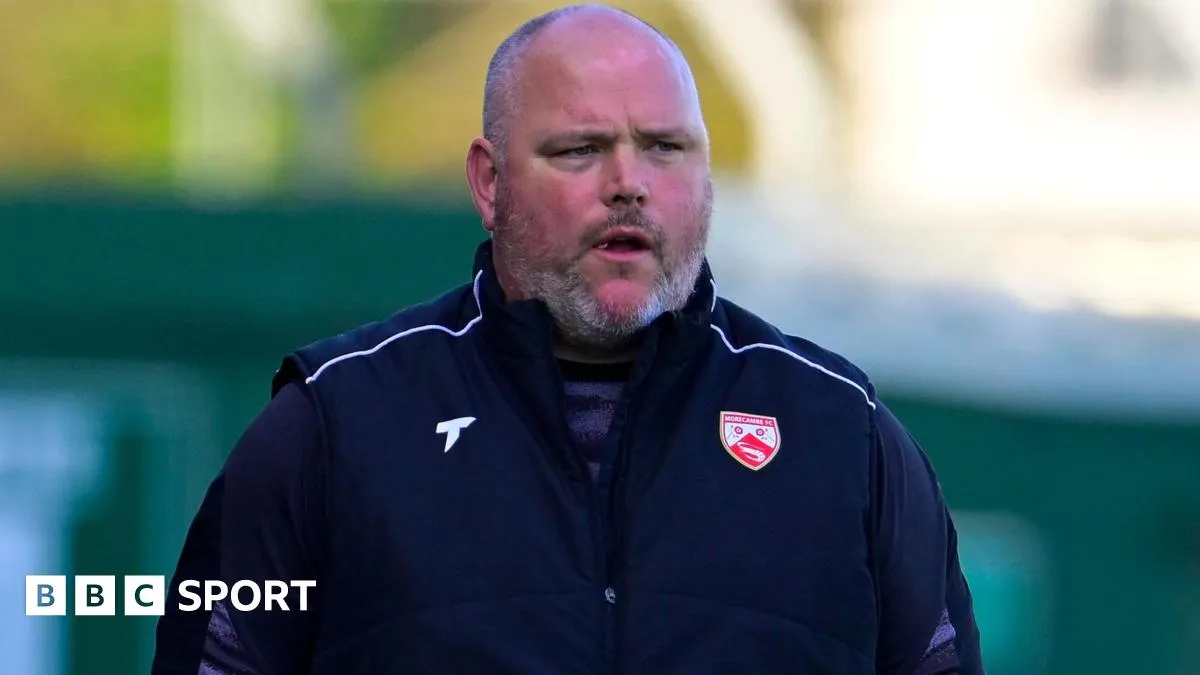
Before the recent developments, Jim Bentley was a stalwart figure at Morecambe FC, having returned to the club as manager in February 2026 after the dismissal of Ashvir Singh Johal. His tenure was marked by a legacy that began in 2002 when he joined as a player and later captained the team to victory in the 2007 Conference National play-off final. Bentley’s first managerial stint from 2011 to 2019 made him the longest-serving manager in the top four divisions of English football at that time. However, the club’s fortunes have drastically changed, with Morecambe FC suffering three successive relegations, culminating in their recent drop to the National League North following a disheartening 5-1 defeat to Woking.
The decisive moment came as Bentley announced his decision to step down as first team manager at the end of the season. This announcement was not made lightly, especially considering the backdrop of Morecambe’s financial turmoil that began in 2022, which included late wages and transfer embargoes. The club’s suspension by the National League in 2025 due to these financial issues further compounded their struggles. Bentley’s departure, while a significant shift, is coupled with the assurance that he will remain at the club in a new role, focusing on both footballing and non-footballing areas.
The immediate effects of Bentley’s resignation are multifaceted. On one hand, it marks the end of an era for a manager who has been synonymous with the club’s identity and history. His leadership during a turbulent period was characterized by a mere four wins in his second spell, reflecting the challenges he faced. On the other hand, the club is now in search of a new first team manager, a role that will be pivotal in steering Morecambe FC back to stability and success. The leadership transition is critical, as the club seeks to rebuild after a series of setbacks.
Expert voices within the football community have weighed in on Bentley’s legacy and the implications of his departure. Kuljit Singh Momi, the chairman of Morecambe FC, expressed gratitude for Bentley’s contributions, stating, “I am delighted that we will continue to benefit from his undoubted passion, knowledge and experience of all things Morecambe to help drive the club forward once again.” This sentiment underscores the respect Bentley commands within the club and highlights the importance of his ongoing involvement in a supportive capacity.
As Morecambe FC navigates this transitional phase, the club’s ownership under the Panjab Warriors, who took over in August 2025, will play a crucial role in determining the future direction. The club’s financial struggles have been a significant hurdle, and addressing these issues will be essential for any new manager looking to restore Morecambe’s competitive edge. The club’s history of relegation and financial instability raises questions about the sustainability of its operations and the potential for recovery.
In the wake of Bentley’s announcement, the search for a new manager is already underway, with the club needing to identify a candidate who can not only manage the team effectively but also resonate with the club’s culture and history. The new manager will inherit a challenging environment, where the scars of relegation and financial difficulties are still fresh. The hope is that Bentley’s continued presence at the club will provide a stabilizing influence during this period of change.
Ultimately, Jim Bentley’s departure as Morecambe FC’s first team manager is a poignant reminder of the volatility within football, where success can quickly turn to struggle. As the club embarks on this new chapter, the focus will be on rebuilding and restoring the pride that has been lost in recent years. Bentley’s legacy, both as a player and manager, will undoubtedly influence the club’s future direction, as Morecambe FC seeks to rise from the depths of its current predicament.