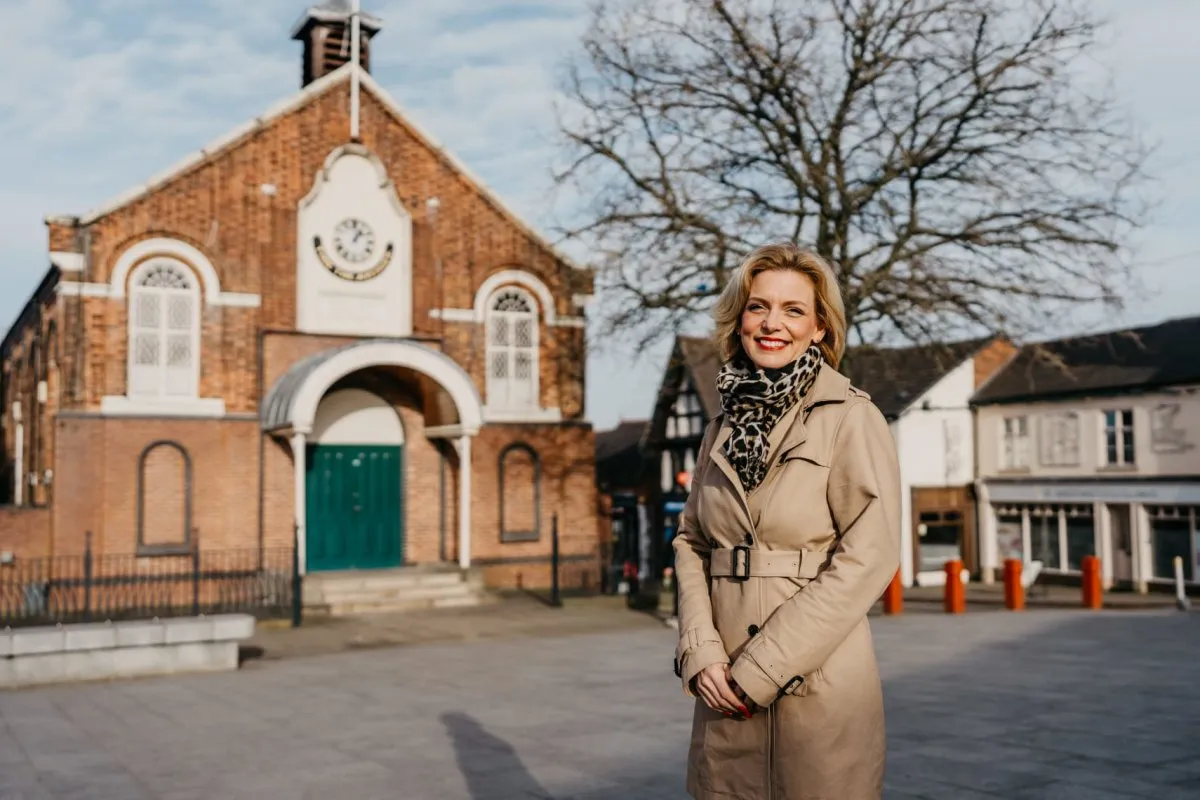
The campaign led by Samantha Niblett, a Labour MP for South Derbyshire, is poised to transform the landscape of sex education in the UK. Niblett’s initiative, which aims to make 2026 the ‘summer of sex’, seeks to foster open and inclusive discussions about sexual pleasure and health, a topic she believes has long been neglected in traditional education.
At the heart of Niblett’s campaign is the call for lifelong sex education, which she argues is essential for dismantling societal stigma surrounding sex. “What I am hoping is that by the time we get to summer recess, I have got a whole bank of organisations to visit and speak with and gather information,” she stated, highlighting her commitment to gathering diverse perspectives.
Niblett’s personal experiences with sex education, which she described as “pretty medical” and lacking in discussions about pleasure, have fueled her advocacy. She has expressed a desire to rewire her understanding of sex, stating, “If I could rewire my brain… It’s not too late, I’m hoping that, actually, this summer of sex is also an education for me.” This personal touch adds depth to her campaign, making it relatable to many who have faced similar educational shortcomings.
To further her cause, Niblett plans to secure a debate in Parliament on lifelong sex education in early autumn 2026. Her campaign’s tagline, “Yes Sex Please, We’re British!”, encapsulates her aim to normalize conversations about sex in a society that often shies away from such topics.
In a bid to encourage open dialogue, Niblett intends to bring sex toys into Parliament, a move that underscores her commitment to breaking taboos surrounding sexual pleasure. She has also met with representatives from Love Honey to discuss the health benefits of masturbation, reinforcing her belief that education should be the “biggest tool” in addressing misconceptions about sex.
Niblett’s campaign is not without its challenges. The Labour government is simultaneously pushing for a ban on certain types of online pornography, which raises questions about the balance between protecting individuals from harmful content and promoting healthy sexual education. Niblett argues that while the government can take action against harmful content, it is equally important to educate the public about what constitutes healthy and normal sexual relationships.
Moreover, Niblett has expressed support for the BBC to create and publish more educational adult content, recognizing the need for accurate representations of sex in media. She has also engaged with platforms like MakeLoveNotPorn, which showcase real-life intimate experiences, further emphasizing her commitment to realistic portrayals of sexuality.
As Niblett’s campaign gains momentum, the potential for significant change in the UK’s approach to sex education is palpable. However, the path forward remains uncertain, and details about the parliamentary debate and broader public reception are yet to be confirmed. The outcome of this initiative could redefine how future generations understand and engage with their sexuality.