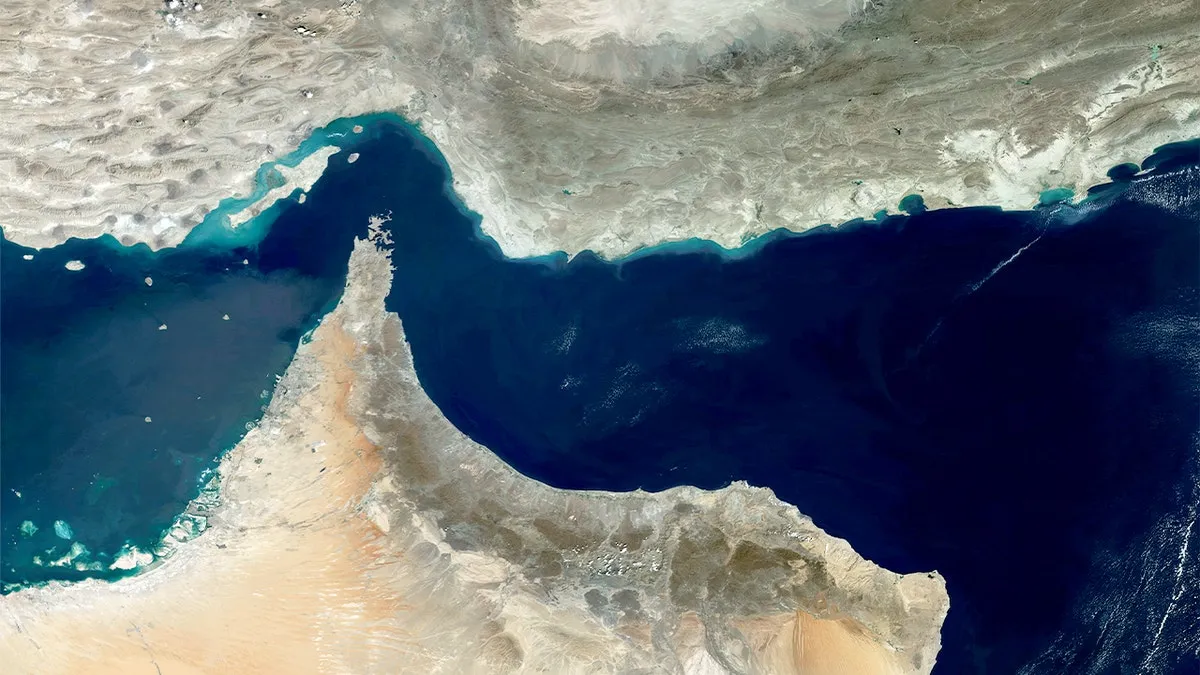
In a dramatic escalation of tensions in the Middle East, Donald Trump announced on April 12, 2026, that the United States will initiate a blockade of the Strait of Hormuz. This decision follows 21 hours of failed peace negotiations with Iran, aimed at curbing the ongoing conflict that has already claimed 3,000 lives in the region.
Trump’s blockade is designed to control this strategic waterway, which is crucial for global oil shipments, and to prevent Iran from charging tolls to tankers. “Effective immediately, the United States Navy, the Finest in the World, will begin the process of BLOCKADING any and all Ships trying to enter, or leave, the Strait of Hormuz,” Trump stated, underscoring the seriousness of the situation.
As the blockade looms, oil prices have reacted sharply. US crude oil surged by 8%, reaching $104.24 a barrel, while Brent crude rose by 7% to $102.29. This spike reflects the market’s immediate concern over the potential disruption of one-fifth of the world’s oil and liquefied natural gas shipments that transit through the strait.
In response to the blockade, Iran’s Revolutionary Guards have issued stern warnings, declaring that any military vessels approaching the strait would be viewed as a violation of the ceasefire. This rhetoric raises the stakes significantly, as both nations navigate a precarious balance of power in a region already fraught with conflict.
Historically, the Strait of Hormuz has been a flashpoint for US-Iran tensions, particularly following the US and Israel’s military actions against Iran that began on February 28, 2026. Since then, approximately 100 tankers have transited the strait, with many paying Iran a toll of around two million dollars for passage. However, the US Navy’s intention to interdict these vessels complicates the situation further.
Amid these developments, Oman’s Foreign Minister Badr Albusaidi has urged for the ceasefire to be extended and for talks to continue, highlighting the international community’s desire to de-escalate the situation. Yet, analysts note that Iran retains significant leverage by controlling the Strait of Hormuz, a critical chokepoint for global energy supplies.
Details remain unconfirmed regarding how the US will identify which vessels have paid Iran for passage, and the response from nations reliant on Iranian oil, particularly China, remains uncertain. Additionally, the exact number of mines that Iran may have laid in the strait adds another layer of complexity to this already volatile scenario.
As the blockade is set to begin on Monday at 10 AM ET (2 PM GMT), the world watches closely, anticipating the ramifications of this bold move by the Trump administration and its potential impact on global oil markets and regional stability.